Buy personal-coaching.eu ?
We are moving the project
personal-coaching.eu .
Are you interested in purchasing the domain
personal-coaching.eu ?
domain@kv-gmbh.de · 0541-91531010
Buy personal-coaching.eu ?
What is the difference between electrode deposition and electrode sedimentation?
Electrode deposition and electrode sedimentation are both processes used to coat a substrate with a layer of material through electrochemical methods. The main difference between the two is the mechanism by which the material is deposited onto the substrate. In electrode deposition, the material is directly deposited onto the substrate through the application of an electric current, while in electrode sedimentation, the material is first dispersed in a solution and then allowed to settle onto the substrate through gravity or other external forces. Overall, electrode deposition is a more controlled and precise process, while electrode sedimentation is more reliant on the settling behavior of the dispersed material. **
What is the standard electrode potential?
The standard electrode potential is a measure of the tendency of an electrode to gain or lose electrons when it is in contact with a solution of its own ions. It is measured under standard conditions, which include a concentration of 1 mol/L for all ions involved, a pressure of 1 atm for gases, and a temperature of 25°C. The standard electrode potential is used to compare the reactivity of different electrodes and to predict the direction of redox reactions. It is also used to calculate the electromotive force (EMF) of a cell. **
Similar search terms for Electrode
Top-Angebote
Products related to Electrode:
-
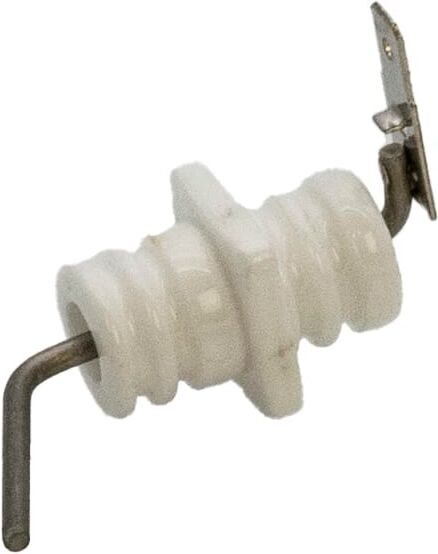
Rinnai N Series Replacement Electrode AssemblyRinnai N Series Replacement Electrode Assembly (PN-150) The electrode assembly on a Rinnai N Series water heater generates the spark that ignites the burner and monitors the flame afterwards to confirm safe combustion. It's a small component doing two jobs at once, and the whole ignition sequence depends on it working correctly. This genuine Rinnai electrode assembly is made to the original specification, restoring reliable spark ignition and accurate flame sensing where the original has worn or become fouled with use. Electrodes are a routine wear item, so it's worth checking their condition during servicing and replacing them before they start causing ignition faults rather than after. ⚠ Important: Installation and servicing must be carried out by a qualified technician familiar with Rinnai products. Turn off the gas supp61,98 £*Shipping: 5,00 £Secure redirect to the provider
-
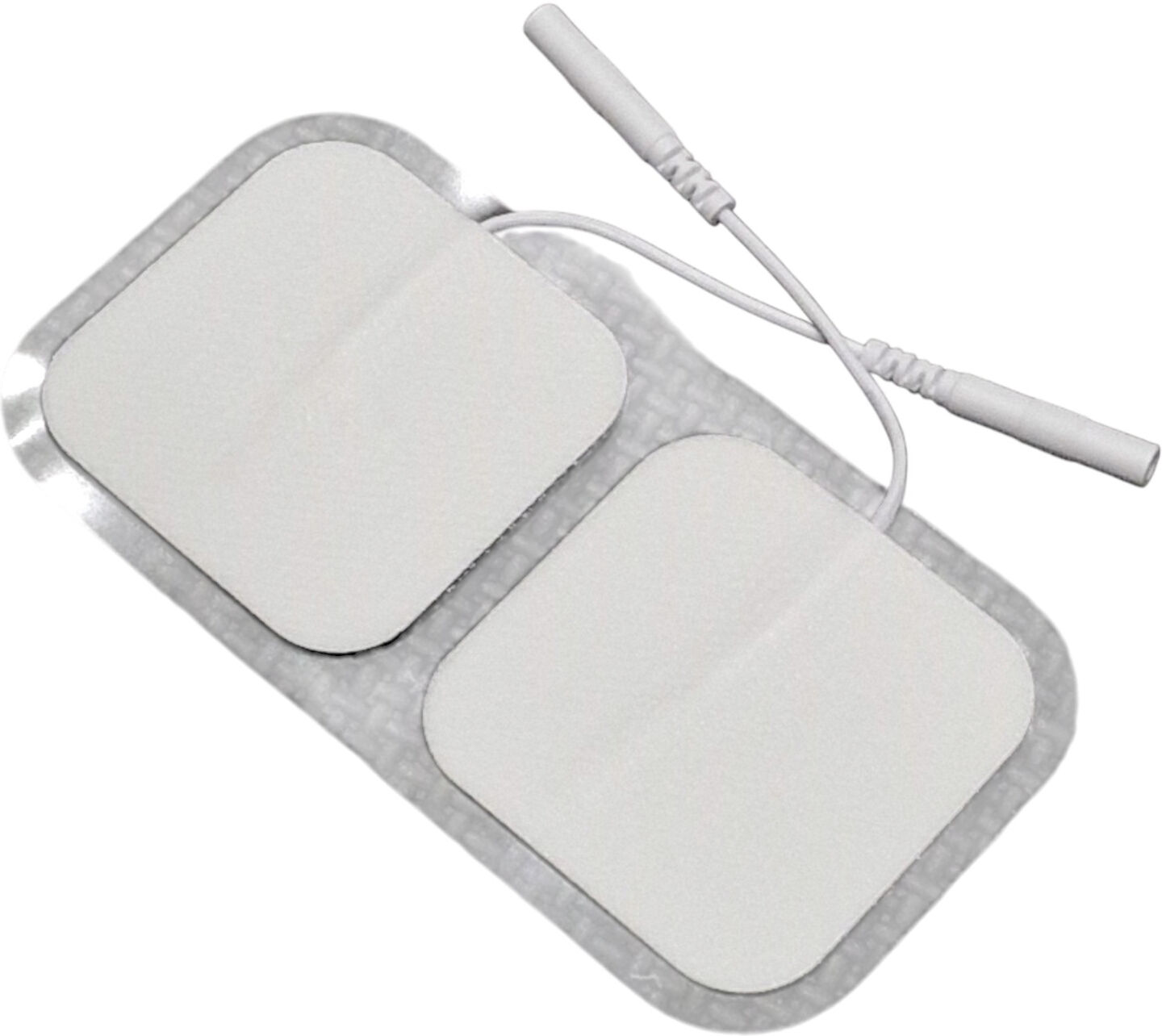
DG-LAB - self-adhesive electrode for electrostimulation (white) - pack of 2Quick application and even contact: self-adhesive electrodes that let you try electrostimulation almost anywhere below the waist.Why is the DG-LAB self-adhesive electrode a good choice?The electrodes are made from non-woven fabric with a conductive hydrogel adhesive layer. The gel makes even contact with the skin across the entire surface. Each electrode is one pole, so you need a pair for one channel. Their connector is a 2 mm socket, so they can be used with standard DG-LAB cables. They are latex-free, so they are suitable for people with latex sensitivity.Why customers like the DG-LAB self-adhesive electrodeSimple to use: just stick it on and it’s ready to go.Even sensation: the hydrogel conducts across the entire surface.Latex-free: suitable for those with latex sensitivity.Reusable: with proper storage, they can be used multiple times.Standard connector: 2 mm socket for DG-LAB cables.Contents of the package2 x DG-LAB self-adhesive electrode (white)Product detailsBrand: DG-LABType: self-adhesive electrode for electrostimulationPack size: 2 pcsColour: whiteShape: squareMaterial: non-woven fabric, conductive hydrogel adhesive layer, latex-freePolarity: 1 per electrodeConnector: 2 mm socketCompatibility: DG-LAB Coyote 3.0 systemImportant information for using the DG-LAB self-adhesive electrodeImportant: the product does not work on its own; you need an electrostimulation control unit (e.g. DG-LAB Coyote 3.0) and electrode cable, which are not included in the package.Never place it near the heart, on the chest, neck or head.Do not place it on bony areas, protruding veins or damaged skin.Always start with the lowest intensity, and only switch the channel on after the electrodes have been applied.Drawback: the adhesive strength decreases with use, and it adheres less well to hairy skin. If it no longer lies flat and even, replace it.Cleaning instructionsDo not hold under running water. If necessary, wipe the gel gently with a slightly damp cloth. After use, place it back on the protective film and store it in a resealable bag in a cool place.User manual4,11 £*Shipping: 6,10 £Secure redirect to the provider
-
Wilco Publishing Think and Grow Rich by Napoleon Hill Classic Personal Development, Success, Wealth, Mindset & Motivation Self Help BookDiscover one of the most influential personal development classics with Think and Grow Rich by Napoleon Hill. Originally published in 1937, Think and Grow Rich explores the principles and habits Hill associated with achievement, ambition, persistence, goal setting and personal success. Rather than focusing solely on money, the book examines how mindset, clear goals, determination and consistent action can influence progress towards personal and professional ambitions. Hill presents principles intended to help readers develop greater focus, confidence and persistence when pursuing their goals. A longstanding classic in the fields of self-help, motivation, business and personal development, Think and Grow Rich remains popular with entrepreneurs, professionals and readers interested in improving their approach to achievement and success. Whether you're building a personal development library, looking for motivational reading or searching for a gift for an aspiring entrepreneur, this enduring classic is an excellent choice. Key Features Classic personal development book by Napoleon Hill Focuses on success, mindset and goal setting Explores motivation, persistence and achievement Popular with entrepreneurs and business readers Ideal for self-improvement and motivational reading Timeless addition to a personal development library Great gift for business and self-help readers2,99 £*Shipping: 1,99 £Secure redirect to the provider
-
Rupa Publications Success Through a Positive Mental Attitude by Napoleon Hill & W. Clement Stone - Paperback - Self-Help Classic for Personal Growth & SuccessSuccess Through a Positive Mental Attitude is a timeless self-help classic co-written by Napoleon Hill, author of Think and Grow Rich, and self-made insurance millionaire W. Clement Stone. First published decades ago, the book distills the authors' famous 'PMA' philosophy into practical, actionable steps. This brand-new paperback edition, published by Rupa Publications, brings one of the most influential personal-development books of the century to readers seeking motivation and direction. Napoleon Hill and W. Clement Stone teamed up to create one of the most enduring partnerships in the personal development world, and the result was a book that has helped millions of readers unlock their hidden potential. At its heart is the idea of the 'invisible talisman' every person carries: on one side, the letters PMA for Positive Mental Attitude; on the other, the potential for personal growth and success.2,99 £*Shipping: 2,99 £Secure redirect to the provider


-
Is electrode welding dangerous for beginners?
Electrode welding can be dangerous for beginners if proper safety precautions are not followed. The high temperatures and intense light produced during the welding process can cause burns, eye damage, and exposure to harmful fumes. Beginners should receive proper training and guidance on how to use welding equipment safely, as well as wear appropriate protective gear such as welding helmets, gloves, and clothing. With the right safety measures in place, beginners can learn electrode welding safely and effectively. **
-
Which tungsten electrode is used for welding?
The most commonly used tungsten electrode for welding is the thoriated tungsten electrode, which is also known as 2% thoriated tungsten. This electrode is popular for its ability to maintain a stable arc and its high resistance to thermal shock, making it suitable for both AC and DC welding applications. Additionally, it has a long lifespan and can be used for welding a variety of metals, including steel, stainless steel, and nickel alloys. **
-
How does electrode welding with gap work?
Electrode welding with gap works by creating an arc between the welding electrode and the workpiece, which generates intense heat to melt the metal and create a weld. The gap between the electrode and the workpiece allows for better control of the welding process and helps to prevent sticking of the electrode to the workpiece. The gap also allows for better penetration of the weld into the workpiece, resulting in a stronger and more reliable weld. This method is commonly used in manual metal arc welding processes. **
-
How can electrodes be saved during electrode welding?
Electrodes can be saved during electrode welding by using proper welding techniques such as maintaining the correct arc length, angle, and travel speed. It is important to ensure that the electrode is not overheated or stuck to the workpiece, as this can lead to excessive consumption of the electrode. Additionally, using the appropriate electrode size and type for the specific welding application can help prolong the life of the electrode. Regularly cleaning the electrode and removing any slag buildup can also help extend its lifespan. **

How does electrode welding with HF ignition work?
Electrode welding with HF ignition works by using a high-frequency spark to initiate the arc between the electrode and the workpiece. The high-frequency spark creates a path for the current to flow, allowing the arc to be established without the need for the electrode to make contact with the workpiece. This method helps to reduce the risk of electrode sticking and allows for a smoother and more stable arc. HF ignition also helps to improve the overall quality of the weld by providing a more consistent and controlled arc initiation. **
Why can the electrode potential not be measured?
The electrode potential cannot be directly measured because it is a relative value, meaning it depends on the potential of another electrode in the same system. In order to measure the electrode potential, a reference electrode with a known potential is needed to compare it to. This comparison allows for the determination of the potential difference between the two electrodes, which is the electrode potential. Therefore, the electrode potential itself cannot be measured in isolation, but only in comparison to a reference electrode. **
Top-Angebote
Products related to Electrode:
-
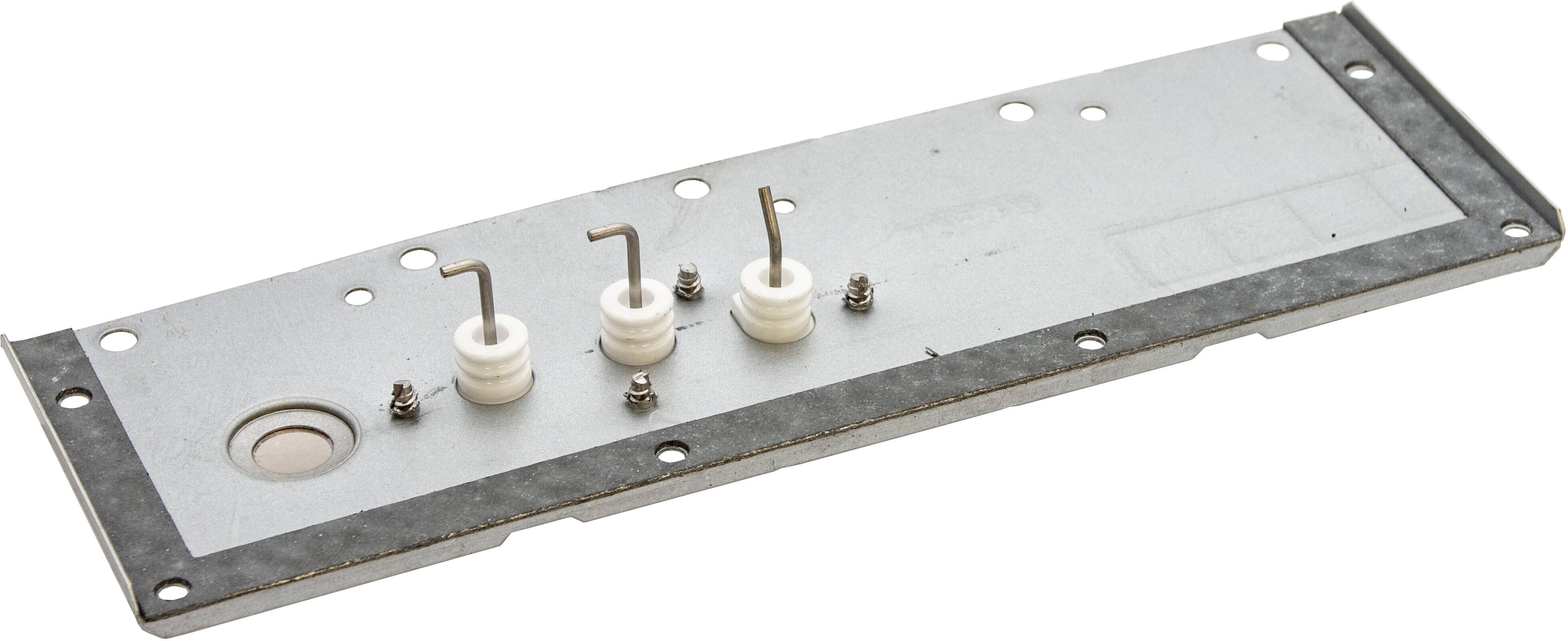
Rinnai Replacement K26i ElectrodeRinnai Replacement K26i Electrode - (P26IV-117A) The electrode in a Rinnai K26i continuous flow water heater does two jobs at once — it generates the spark that ignites the burner, and it monitors the flame afterwards to confirm combustion is taking place safely. It's a small component, but the whole ignition sequence depends on it working correctly. Made to Rinnai's own specification, this replacement electrode restores reliable spark ignition and accurate flame sensing where the original has worn or become fouled with use. Electrodes are a routine wear item, so it's worth checking the condition of the tip during servicing and replacing it before it starts causing ignition faults rather than after. ⚠ Important: This part should only be installed or serviced by a Gas Safe registered engineer or suitably qualified professi13,20 £*Shipping: 5,00 £Secure redirect to the provider
-
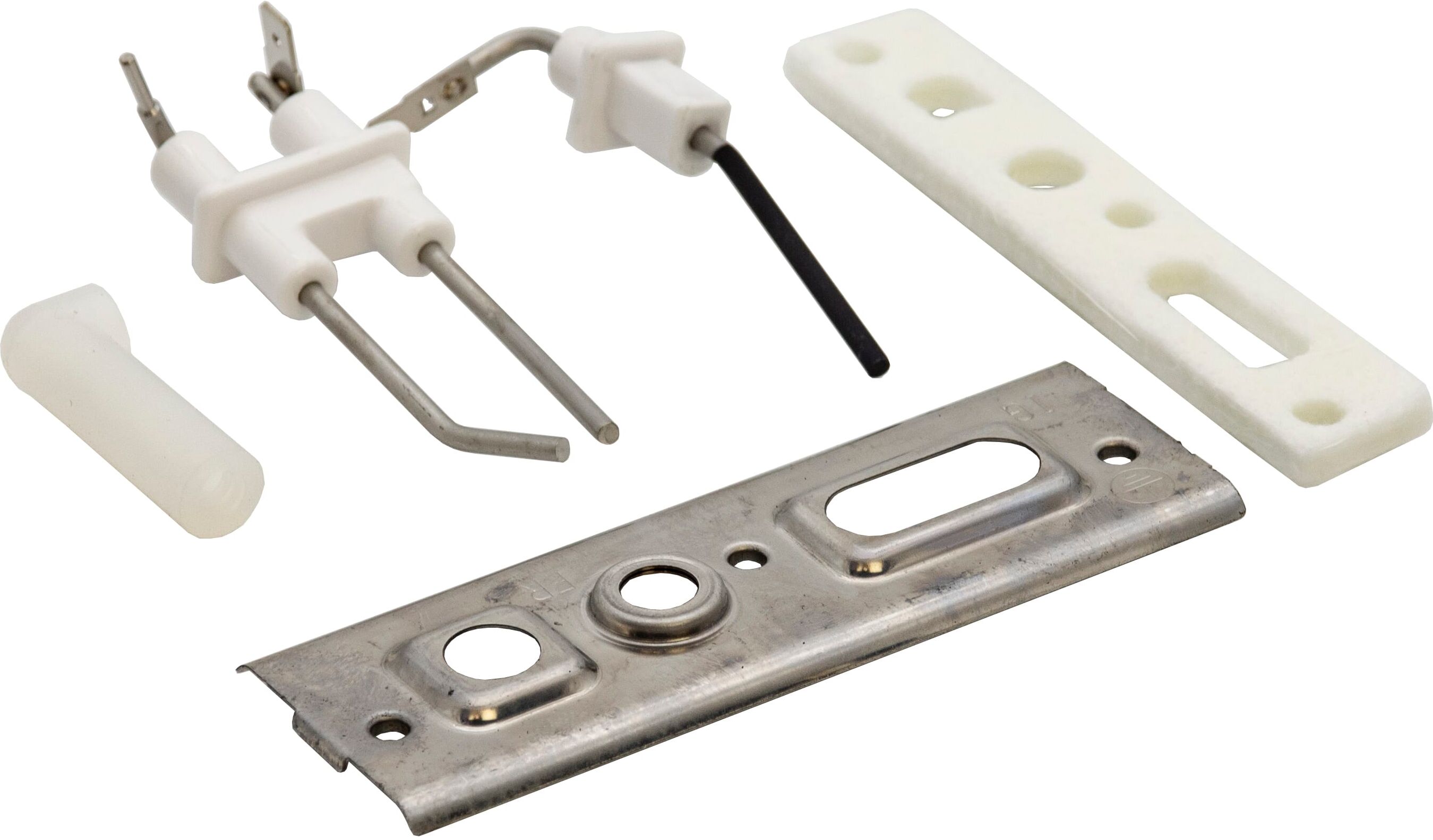
Rinnai HD55i Replacement Electrode KitRinnai HD55i Replacement Electrode Kit. Specially designed for the Rinnai HD55i model, this replacement part ensures your water heating system operates at its best. Benefits of Regular Maintenance: Enhanced Efficiency: Regular servicing can ensure that your water heater operates at peak efficiency, reducing energy bills. Longer Lifespan: Preventing buildup and replacing worn-out parts can significantly extend the life of your water heater. Safety: Ensuring that your appliance is in top condition minimizes the risk of leaks or malfunctions. Installation & Safety: Always ensure that installation and servicing are carried out by a qualified technician familiar with Rinnai products. Turn off the gas supply and disconnect power before b47,34 £*Shipping: 5,00 £Secure redirect to the provider
-
Rinnai N Series Replacement Electrode AssemblyRinnai N Series Replacement Electrode Assembly (PN-150) The electrode assembly on a Rinnai N Series water heater generates the spark that ignites the burner and monitors the flame afterwards to confirm safe combustion. It's a small component doing two jobs at once, and the whole ignition sequence depends on it working correctly. This genuine Rinnai electrode assembly is made to the original specification, restoring reliable spark ignition and accurate flame sensing where the original has worn or become fouled with use. Electrodes are a routine wear item, so it's worth checking their condition during servicing and replacing them before they start causing ignition faults rather than after. ⚠ Important: Installation and servicing must be carried out by a qualified technician familiar with Rinnai products. Turn off the gas supp61,98 £*Shipping: 5,00 £Secure redirect to the provider
-
DG-LAB - self-adhesive electrode for electrostimulation (white) - pack of 2Quick application and even contact: self-adhesive electrodes that let you try electrostimulation almost anywhere below the waist.Why is the DG-LAB self-adhesive electrode a good choice?The electrodes are made from non-woven fabric with a conductive hydrogel adhesive layer. The gel makes even contact with the skin across the entire surface. Each electrode is one pole, so you need a pair for one channel. Their connector is a 2 mm socket, so they can be used with standard DG-LAB cables. They are latex-free, so they are suitable for people with latex sensitivity.Why customers like the DG-LAB self-adhesive electrodeSimple to use: just stick it on and it’s ready to go.Even sensation: the hydrogel conducts across the entire surface.Latex-free: suitable for those with latex sensitivity.Reusable: with proper storage, they can be used multiple times.Standard connector: 2 mm socket for DG-LAB cables.Contents of the package2 x DG-LAB self-adhesive electrode (white)Product detailsBrand: DG-LABType: self-adhesive electrode for electrostimulationPack size: 2 pcsColour: whiteShape: squareMaterial: non-woven fabric, conductive hydrogel adhesive layer, latex-freePolarity: 1 per electrodeConnector: 2 mm socketCompatibility: DG-LAB Coyote 3.0 systemImportant information for using the DG-LAB self-adhesive electrodeImportant: the product does not work on its own; you need an electrostimulation control unit (e.g. DG-LAB Coyote 3.0) and electrode cable, which are not included in the package.Never place it near the heart, on the chest, neck or head.Do not place it on bony areas, protruding veins or damaged skin.Always start with the lowest intensity, and only switch the channel on after the electrodes have been applied.Drawback: the adhesive strength decreases with use, and it adheres less well to hairy skin. If it no longer lies flat and even, replace it.Cleaning instructionsDo not hold under running water. If necessary, wipe the gel gently with a slightly damp cloth. After use, place it back on the protective film and store it in a resealable bag in a cool place.User manual4,11 £*Shipping: 6,10 £Secure redirect to the provider
-
What is the difference between electrode deposition and electrode sedimentation?
Electrode deposition and electrode sedimentation are both processes used to coat a substrate with a layer of material through electrochemical methods. The main difference between the two is the mechanism by which the material is deposited onto the substrate. In electrode deposition, the material is directly deposited onto the substrate through the application of an electric current, while in electrode sedimentation, the material is first dispersed in a solution and then allowed to settle onto the substrate through gravity or other external forces. Overall, electrode deposition is a more controlled and precise process, while electrode sedimentation is more reliant on the settling behavior of the dispersed material. **
-
What is the standard electrode potential?
The standard electrode potential is a measure of the tendency of an electrode to gain or lose electrons when it is in contact with a solution of its own ions. It is measured under standard conditions, which include a concentration of 1 mol/L for all ions involved, a pressure of 1 atm for gases, and a temperature of 25°C. The standard electrode potential is used to compare the reactivity of different electrodes and to predict the direction of redox reactions. It is also used to calculate the electromotive force (EMF) of a cell. **
-
Is electrode welding dangerous for beginners?
Electrode welding can be dangerous for beginners if proper safety precautions are not followed. The high temperatures and intense light produced during the welding process can cause burns, eye damage, and exposure to harmful fumes. Beginners should receive proper training and guidance on how to use welding equipment safely, as well as wear appropriate protective gear such as welding helmets, gloves, and clothing. With the right safety measures in place, beginners can learn electrode welding safely and effectively. **
-
Which tungsten electrode is used for welding?
The most commonly used tungsten electrode for welding is the thoriated tungsten electrode, which is also known as 2% thoriated tungsten. This electrode is popular for its ability to maintain a stable arc and its high resistance to thermal shock, making it suitable for both AC and DC welding applications. Additionally, it has a long lifespan and can be used for welding a variety of metals, including steel, stainless steel, and nickel alloys. **
Similar search terms for Electrode
-
Wilco Publishing Think and Grow Rich by Napoleon Hill Classic Personal Development, Success, Wealth, Mindset & Motivation Self Help BookDiscover one of the most influential personal development classics with Think and Grow Rich by Napoleon Hill. Originally published in 1937, Think and Grow Rich explores the principles and habits Hill associated with achievement, ambition, persistence, goal setting and personal success. Rather than focusing solely on money, the book examines how mindset, clear goals, determination and consistent action can influence progress towards personal and professional ambitions. Hill presents principles intended to help readers develop greater focus, confidence and persistence when pursuing their goals. A longstanding classic in the fields of self-help, motivation, business and personal development, Think and Grow Rich remains popular with entrepreneurs, professionals and readers interested in improving their approach to achievement and success. Whether you're building a personal development library, looking for motivational reading or searching for a gift for an aspiring entrepreneur, this enduring classic is an excellent choice. Key Features Classic personal development book by Napoleon Hill Focuses on success, mindset and goal setting Explores motivation, persistence and achievement Popular with entrepreneurs and business readers Ideal for self-improvement and motivational reading Timeless addition to a personal development library Great gift for business and self-help readers2,99 £*Shipping: 1,99 £Secure redirect to the provider
-
Rupa Publications Success Through a Positive Mental Attitude by Napoleon Hill & W. Clement Stone - Paperback - Self-Help Classic for Personal Growth & SuccessSuccess Through a Positive Mental Attitude is a timeless self-help classic co-written by Napoleon Hill, author of Think and Grow Rich, and self-made insurance millionaire W. Clement Stone. First published decades ago, the book distills the authors' famous 'PMA' philosophy into practical, actionable steps. This brand-new paperback edition, published by Rupa Publications, brings one of the most influential personal-development books of the century to readers seeking motivation and direction. Napoleon Hill and W. Clement Stone teamed up to create one of the most enduring partnerships in the personal development world, and the result was a book that has helped millions of readers unlock their hidden potential. At its heart is the idea of the 'invisible talisman' every person carries: on one side, the letters PMA for Positive Mental Attitude; on the other, the potential for personal growth and success.2,99 £*Shipping: 2,99 £Secure redirect to the provider
-
Uplift Essentials 2 Piece 3mm Aluminum Oxide Copper Spot Welding Electrode Tips 2 Piece 3mm Aluminum Oxide Copper Spot Welding Electrode TipsInconsistent weld joints, severe tip sticking, and excessive thermal erosion shouldn't compromise your custom battery pack builds or slow down your spot welding repairs. Achieve clean, highconductivity, nonstick pulse welds on 18650 lithiumion...31,97 $*Shipping: 0,00 $Secure redirect to the provider
-
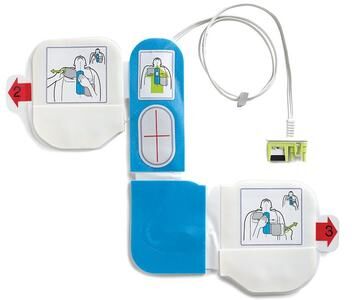
ZOLL CPR-D-PADZ One Piece Electrode Pad Replacement""" ZOLL CPR-D-PADZ One Piece Electrode Pad Replacement ZOLL's Full-Rescue AEDs feature CPR-D-padz®, a one-piece, pre-connected electrode with Real CPR Help® feedback. Ordinary AEDs require that the rescuer use two separate electrodes. By using CPR..."230,00 $*Shipping: 0,00 $Secure redirect to the provider
-
How does electrode welding with gap work?
Electrode welding with gap works by creating an arc between the welding electrode and the workpiece, which generates intense heat to melt the metal and create a weld. The gap between the electrode and the workpiece allows for better control of the welding process and helps to prevent sticking of the electrode to the workpiece. The gap also allows for better penetration of the weld into the workpiece, resulting in a stronger and more reliable weld. This method is commonly used in manual metal arc welding processes. **
-
How can electrodes be saved during electrode welding?
Electrodes can be saved during electrode welding by using proper welding techniques such as maintaining the correct arc length, angle, and travel speed. It is important to ensure that the electrode is not overheated or stuck to the workpiece, as this can lead to excessive consumption of the electrode. Additionally, using the appropriate electrode size and type for the specific welding application can help prolong the life of the electrode. Regularly cleaning the electrode and removing any slag buildup can also help extend its lifespan. **
-
How does electrode welding with HF ignition work?
Electrode welding with HF ignition works by using a high-frequency spark to initiate the arc between the electrode and the workpiece. The high-frequency spark creates a path for the current to flow, allowing the arc to be established without the need for the electrode to make contact with the workpiece. This method helps to reduce the risk of electrode sticking and allows for a smoother and more stable arc. HF ignition also helps to improve the overall quality of the weld by providing a more consistent and controlled arc initiation. **
-
Why can the electrode potential not be measured?
The electrode potential cannot be directly measured because it is a relative value, meaning it depends on the potential of another electrode in the same system. In order to measure the electrode potential, a reference electrode with a known potential is needed to compare it to. This comparison allows for the determination of the potential difference between the two electrodes, which is the electrode potential. Therefore, the electrode potential itself cannot be measured in isolation, but only in comparison to a reference electrode. **
* All prices are inclusive of VAT and, if applicable, plus shipping costs. The offer information is based on the details provided by the respective shop and is updated through automated processes. Real-time updates do not occur, so deviations can occur in individual cases. ** Note: Parts of this content were created by AI.